
Hy Vong
Transforming Miami's oldest Vietnamese restaurant and
award-winning memoir into a living digital ecosystem.
Project
Year
Services
Role
Creative Direction
Brand Strategist
Content Production
Industry
Hospitality
Publishing
Culture & Heritage
Location
Miami, Florida
The Story Before the Project
Some brands begin with a product.
Others begin with a story.
Hy Vong began with survival.
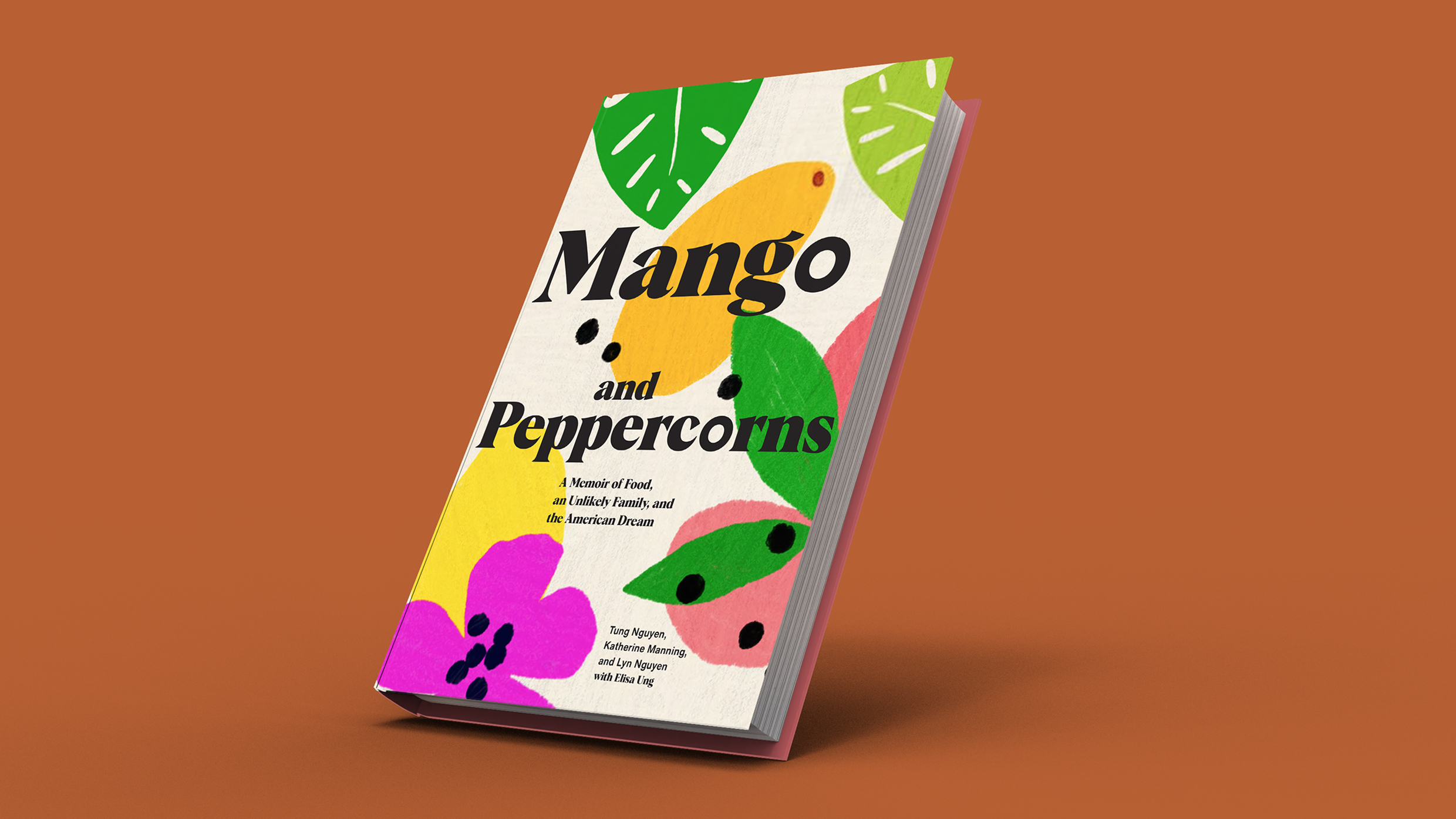
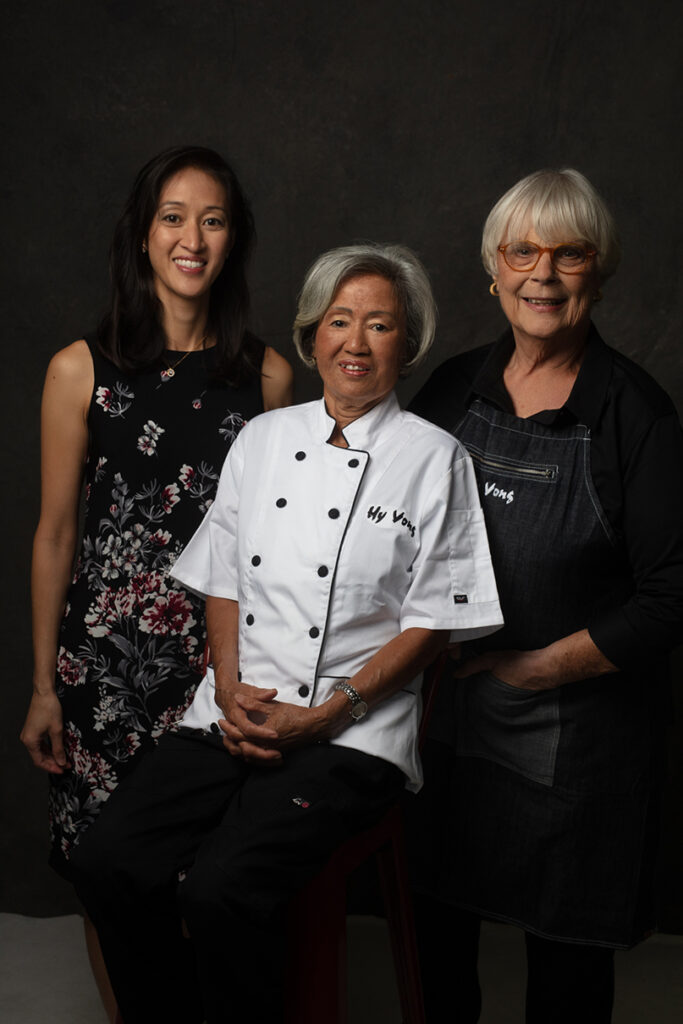
Founded by Vietnamese refugee Tung Nguyen and her family, Hy Vong is not only the oldest Vietnamese restaurant in Miami, but also the living embodiment of a remarkable journey spanning continents, cultures, and generations. What started as a small restaurant eventually became Mango and Peppercorns, an award-winning memoir chronicling the unlikely friendship between Tung and Kathy Manning, an American woman who helped resettle Vietnamese refugees after the fall of Saigon.
When I joined the project, I wasn’t tasked with rebranding a restaurant.
I was tasked with translating a legacy.
A Story Trapped Across Platforms
The challenge wasn’t visibility. It was continuity.
The restaurant had spent decades building a devoted community, the memoir had reached readers across the country, and the story itself carried emotional weight that extended far beyond food. Yet much of that narrative existed in fragments. The restaurant lived in one place, the book in another, and the community that formed around both had no central home.
The opportunity wasn’t to create another marketing campaign.
The opportunity was to connect the dots.
My role was to bring the restaurant, the memoir, and the growing community around them into a single experience.
Not through promotion.
Through storytelling.
Reframing Hy Vong
The question that guided the project was simple:
How do you transform a local restaurant and a memoir into a living cultural platform?
Rather than positioning Hy Vong as a restaurant brand, I positioned it as a story brand.
Food became the entry point, but never the destination.
Every touchpoint was designed to reinforce the same narrative: immigration, resilience, friendship, family, and the pursuit of the American dream.
This shift fundamentally changed how the brand communicated.
Instead of selling meals, we were inviting people into a story.
Extending the World of Mango and Peppercorns
One of the most important challenges was creating continuity between the memoir and the digital experience.
The visual identity of Mango and Peppercorns, originally created by Creative Director Vanessa Dina, already possessed a warmth and humanity that felt inseparable from the story itself.
Rather than creating a competing visual language, I chose to extend hers.
The colours, organic forms, illustrations, and editorial sensibility of the book became the foundation for a broader digital system that could live across social media, web experiences, video content, events, and merchandise.
The goal wasn’t consistency.
It was recognition.
I wanted every touchpoint to feel like another chapter of the same story.
Building a Digital Home
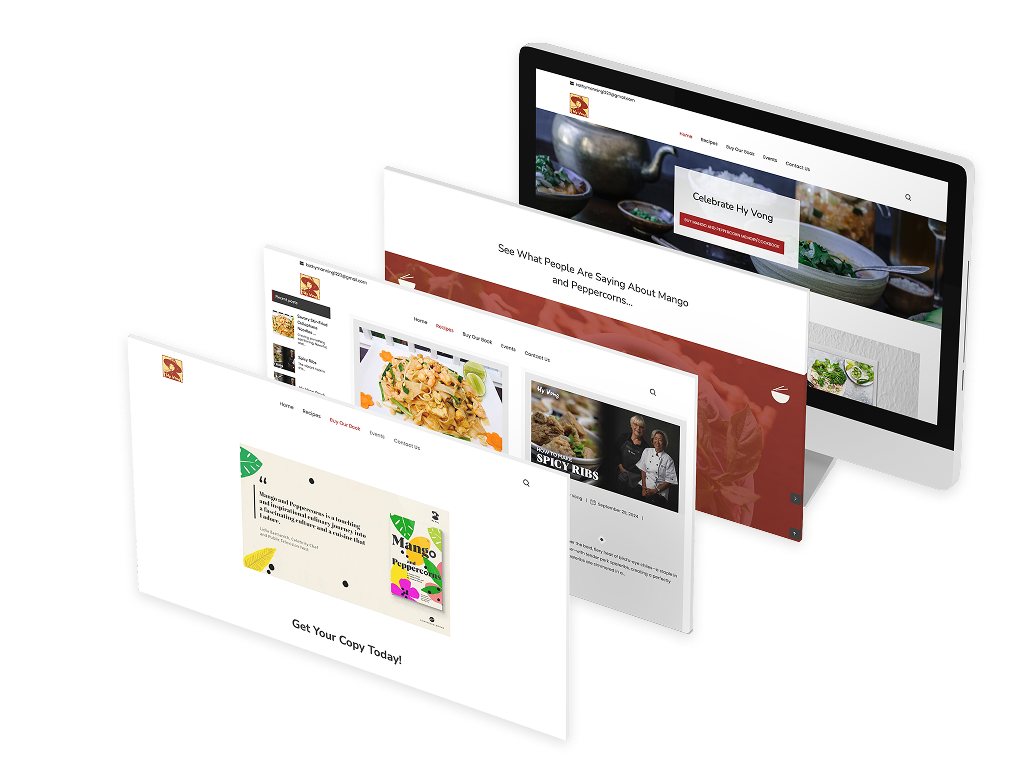
To support that vision, I designed and developed a new digital presence for Hy Vong.
More than a restaurant website, it became a storytelling platform where visitors could move between recipes, memoir content, community stories, events, catering services, and book information without feeling as though they were navigating separate entities.
The website wasn’t designed to function as a menu.
It was designed to function as a gateway.
A place where food, memory, and culture could coexist.
Turning Readers into Participants
Stories become more powerful when they are shared.
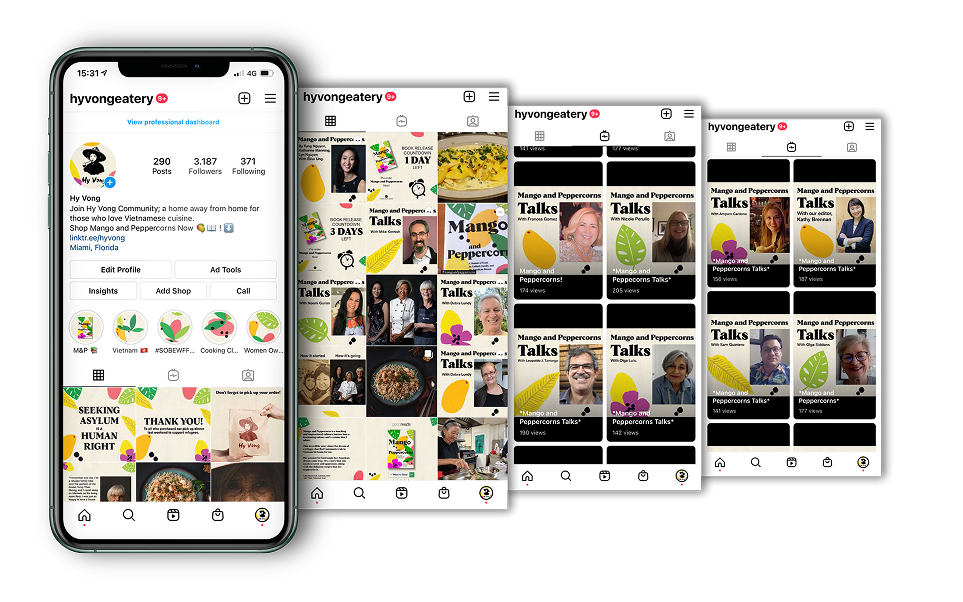
To extend the life of the memoir beyond its pages, I launched Mango and Peppercorns Talks, an interview series featuring readers, supporters, and members of the wider community.
What began as a book promotion initiative evolved into something much larger.
Readers shared stories about immigration, identity, family, belonging, and resilience. Their experiences echoed the themes of the memoir and transformed the audience from passive readers into active participants.
The book was no longer something people consumed.
It became something people contributed to.
Bringing the Story Into Everyday Life
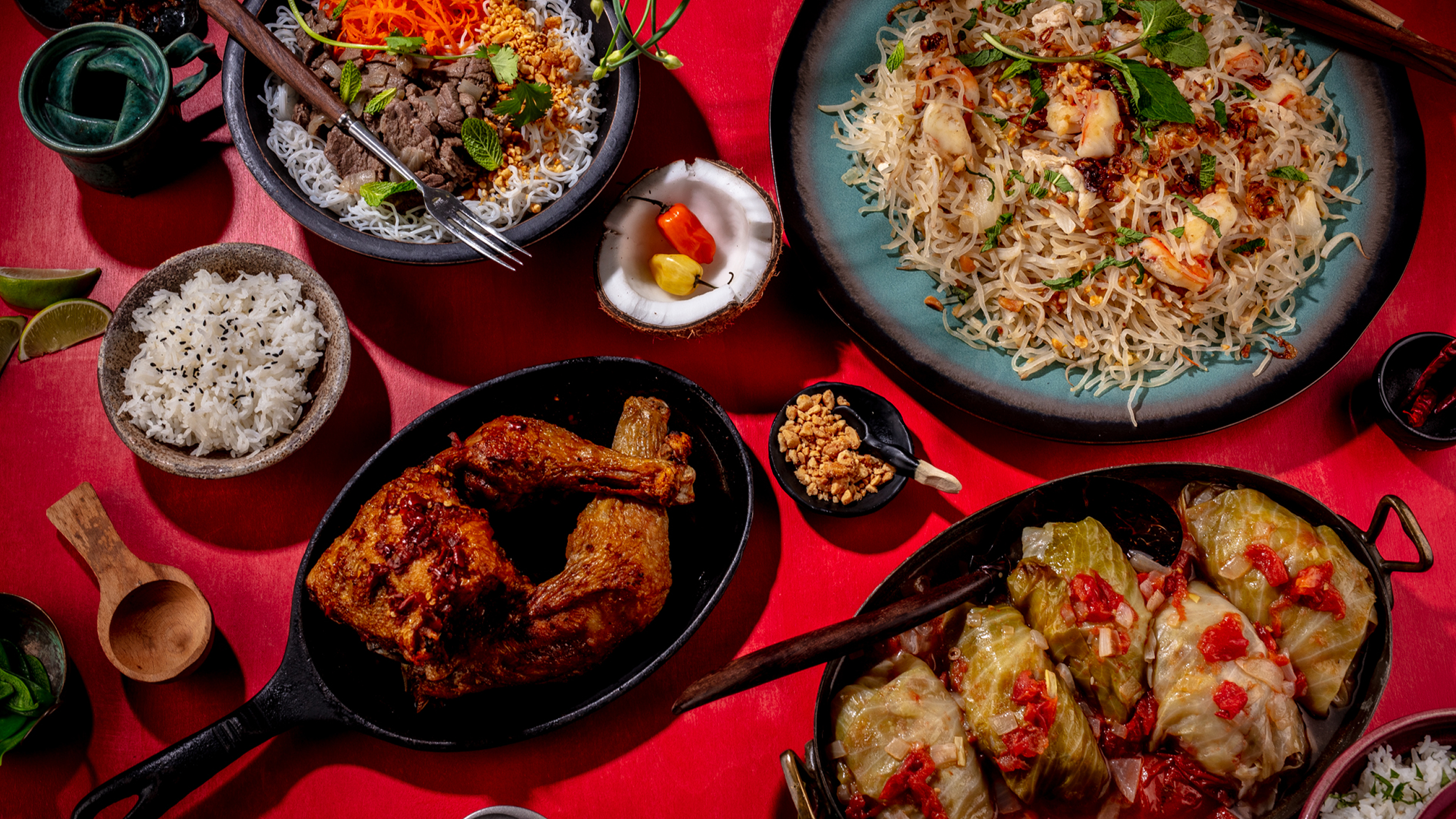
As Hy Vong expanded beyond the restaurant through catering, community dinners, seasonal pickups, and special events, I developed a communication system that allowed the experience to remain consistent across physical and digital touchpoints.
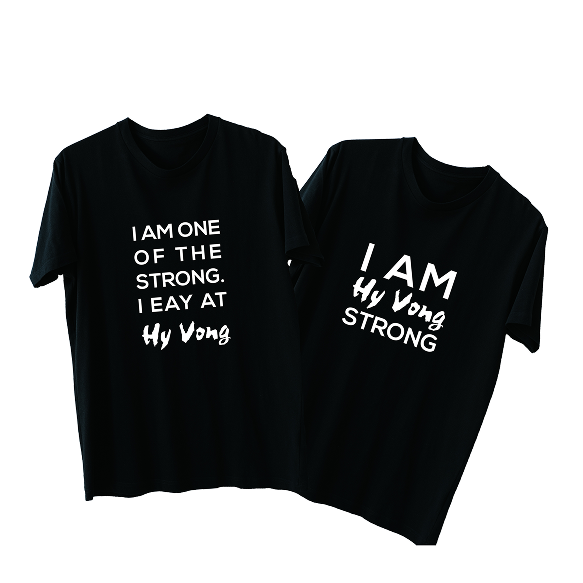
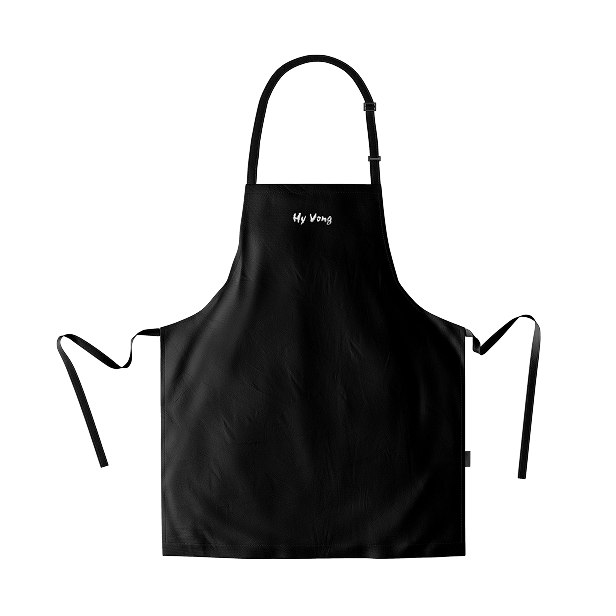
From packaging and merchandise concepts to social campaigns, photography newsletters, event promotion, and ordering experiences, every interaction was designed to feel connected to the larger narrative.
Whether someone was purchasing a meal, attending an event, reading the memoir, or discovering the brand online for the first time, they were entering the same world.

Design as Stewardship
What makes this project meaningful to me is that it challenged the traditional role of design.
This wasn’t about creating a logo.
It wasn’t about launching a website.
It wasn’t even about marketing a restaurant.
It was about stewardship.
Design became a tool for preserving memory, strengthening community, and ensuring that an important cultural story could continue reaching new audiences.
The work wasn’t about building a brand.
It was about helping a legacy endure.
The Outcome
Today, Hy Vong exists as more than a restaurant and more than a memoir.
It exists as an evolving platform where food, history, identity, and community intersect.
Through storytelling, digital experiences, community engagement, and content creation, the project transformed a local institution into a living cultural archive.
One that continues to grow with every meal served, every story shared, and every new reader who discovers Mango and Peppercorns.