Creative Direction Interactive Design Design Research Research through Design
Industry
Research More-than-human design
Location
Amsterdam
About the project
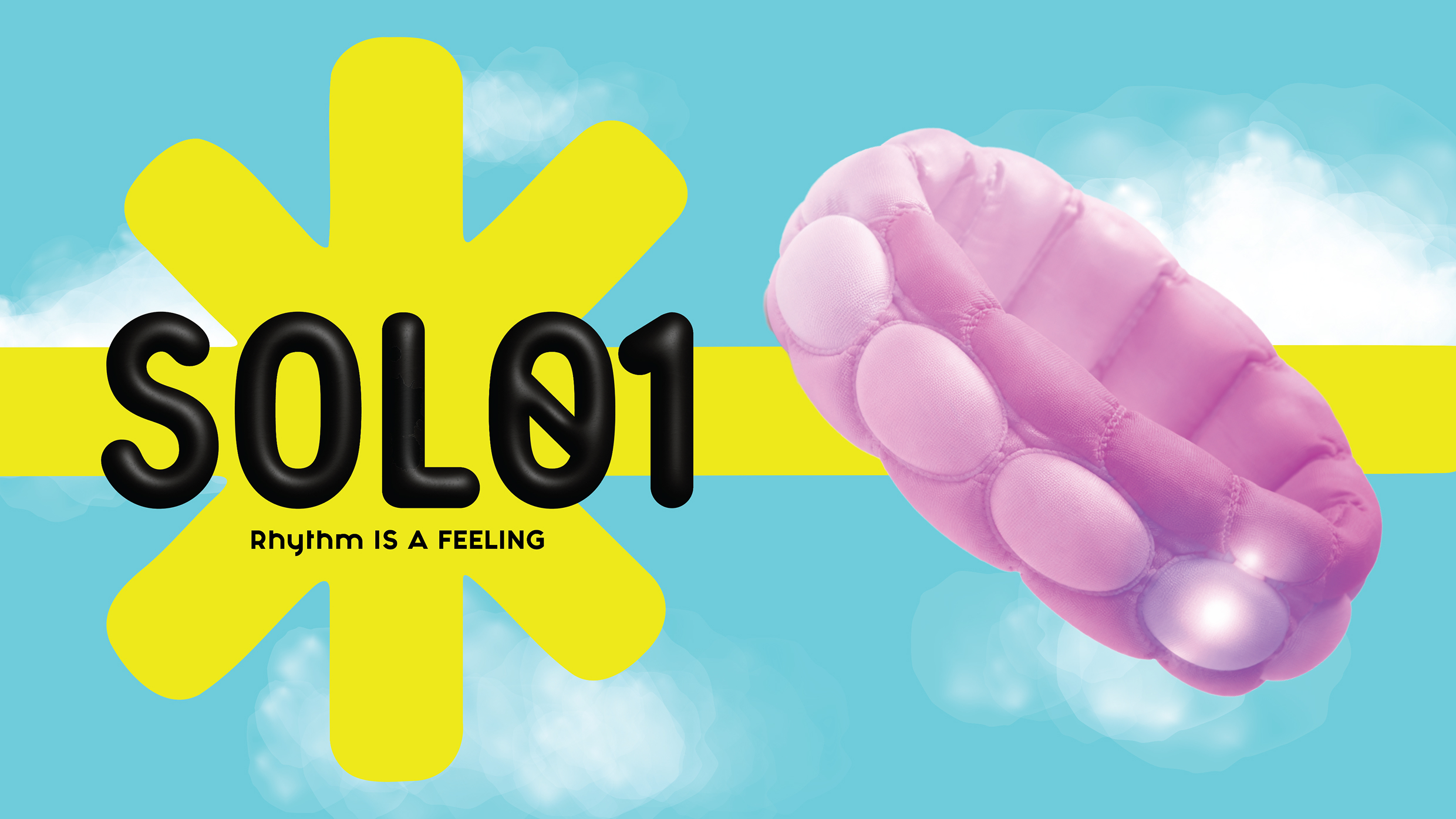
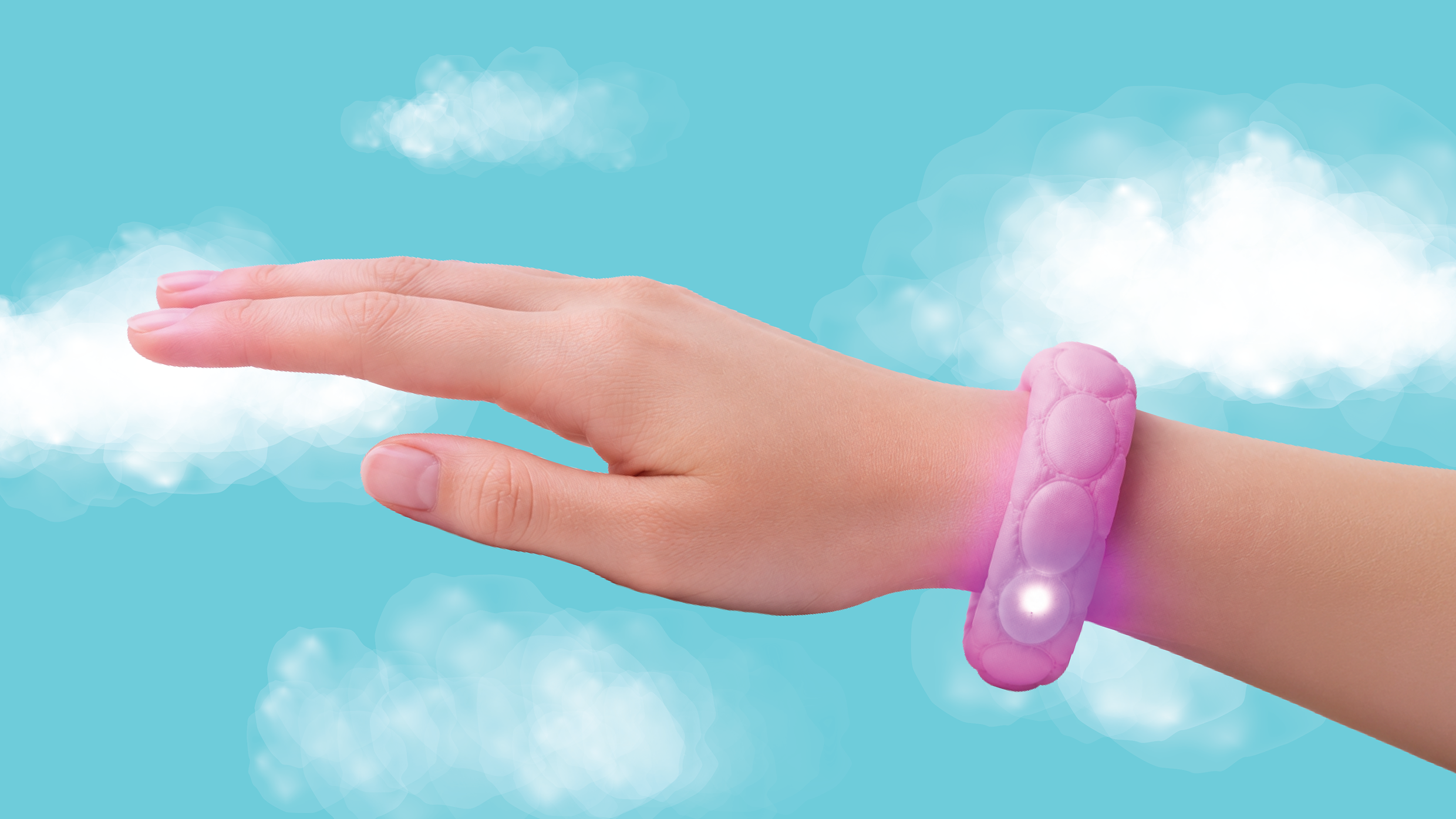
Sol01 is an experimental Research through Design project exploring how solar energy can be experienced as rhythm rather than information. In a city like Amsterdam, where sunlight is inconsistent and often unnoticed indoors, the wearable translates real-time UV conditions into breathing-like physical pulses.
Through bodily interaction, Sol01 investigates how solar energy can become something felt, noticed, and lived with.
Why does energy feel so distant?
We rely on energy every day, yet most of us rarely notice it.
It exists behind walls, inside batteries, hidden in infrastructure and utility bills. We understand energy intellectually, but we rarely experience it directly. At the same time, I became fascinated by a contradiction. Humans easily care about living things. We care about pets, plants, and creatures because they feel present in our lives. But systems that sustain us, such as sunlight, weather, and energy, often remain invisible and emotionally distant.
This led me to a simple question:
Learning from systems that felt alive
At the core of the design is a focus on tactile clarity and simplicity. Each stage is defined through distinct size, shape, and weight, allowing children to differentiate them purely through touch.
The experience is enriched by audio storytelling, where sound acts as both a guide and a reward system. Instead of instructions, children learn through listening and reacting, making the interaction feel alive and responsive.
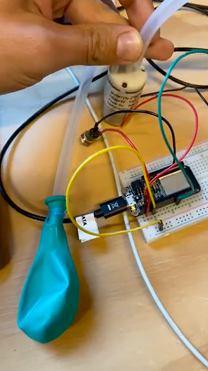
The system is powered by sensor-based technology, where Arduino and TouchDesigner enable real-time feedback. This transforms a static object into an interactive learning tool, bridging the gap between physical play and digital responsiveness.
Equally important is the emphasis on inclusive design. High color contrast supports children with partial vision, while the physical interaction ensures accessibility beyond visual ability.
Invisible systems become easier to connect with when they can be physically felt rather than simply understood.
Later, I visited artists Matteo Marangoni and Dieter Vandoren.
One project that stayed with me was Komorebi. The installation responded directly to environmental conditions such as sunlight, shadows, and movement. The closer my body moved toward the object, the stronger the interaction became.
It felt less like controlling a system and more like building a relationship with one.
What stayed with me
Immediate feedback can make environmental systems feel intimate and emotionally present.
What if energy was something you could feel?
As part of my research, I explored Becoming Solar, a study that investigated how people can develop a deeper relationship with solar energy through everyday embodied experiences.
What stayed with me was the idea that energy became more than something to consume or measure. Through sustained attention to sunlight, weather, shadows, and daily rhythms, the researchers began experiencing themselves as part of a larger environmental system.
This raised a question for me:
Could design create a similar shift in perception?
Not by explaining energy.
But by helping people physically experience their connection to it.
This question became one of the starting points for Sol01.
Looking for a feeling, not a form
The project didn’t begin with a bracelet.
It began with experimentation.
I explored:
Wind
Sound
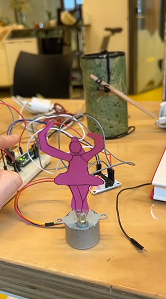
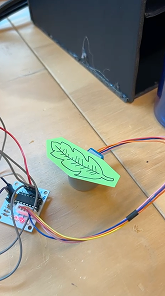
Rotation
Movement
Responsive materials
Solar-powered interactions
At this stage, I wasn’t searching for a product. I was searching for a relationship.
Making propeller spin with heat
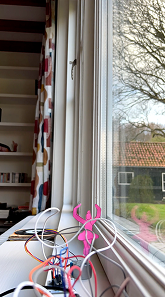
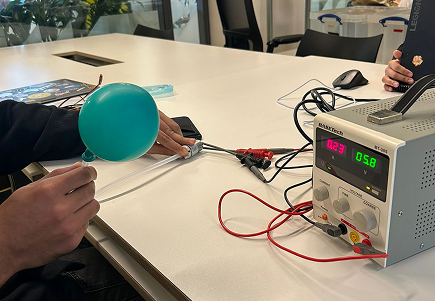
Spinning objects using Arduino
When the sun became a character
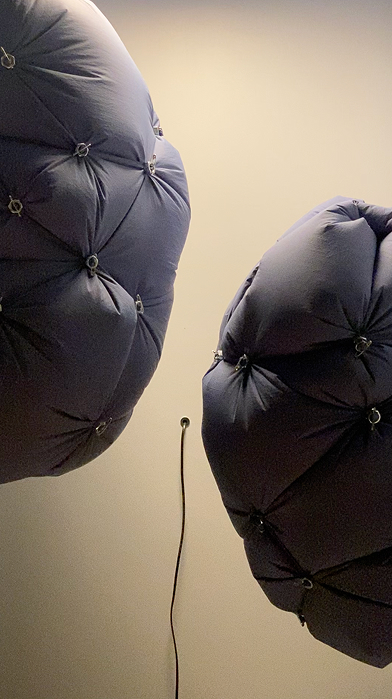
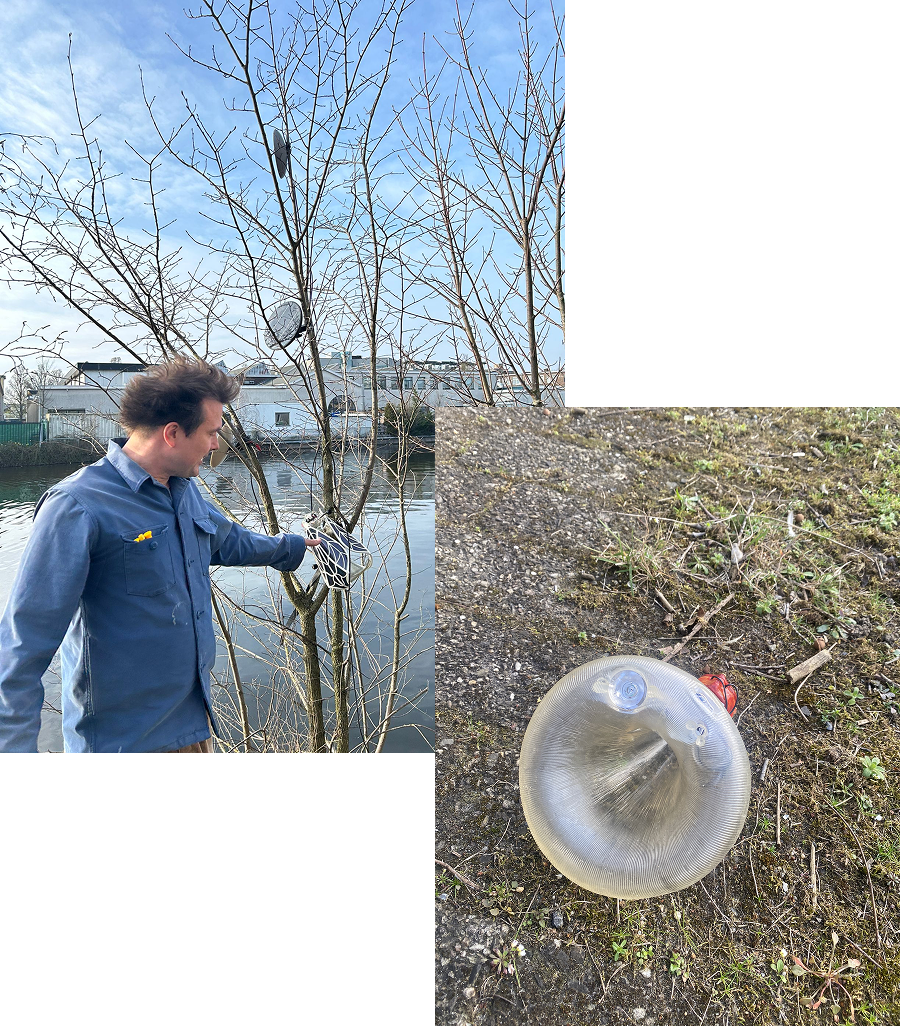
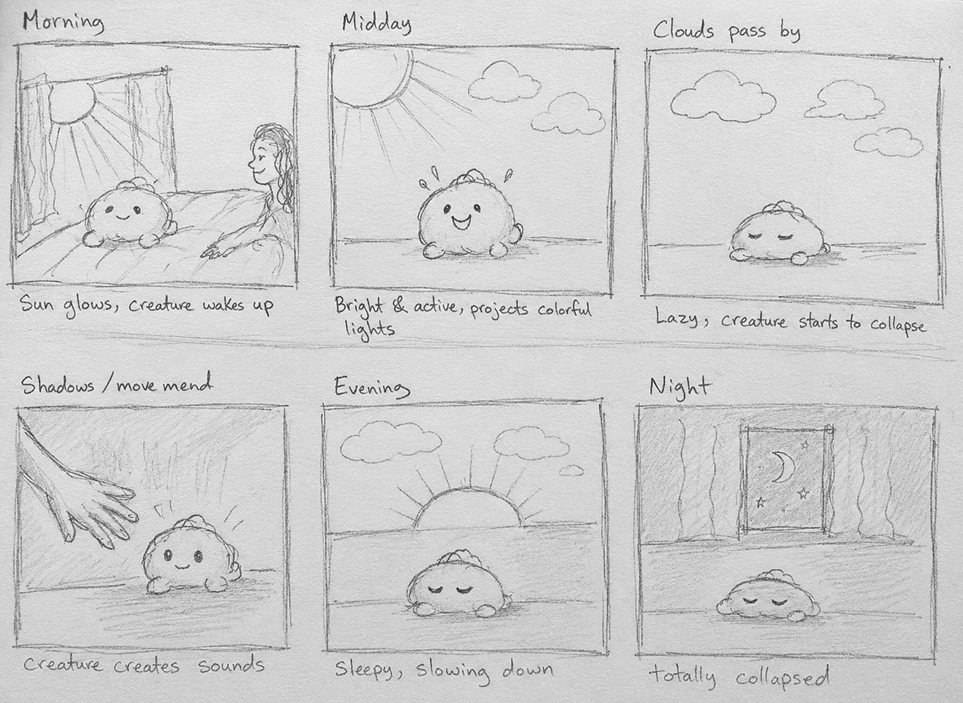
One of the earliest concepts was a speculative creature I called the Solar Babe. A soft inflatable being whose behavior changed depending on sunlight conditions.
The concept was playful, but it revealed something important. The more the system behaved like a living organism, the more emotionally engaging it became.
People weren’t connecting to solar data. They were connecting to a presence.
Eventually the character disappeared, but its breathing remained.
From character to sensation
One of the earliest concepts was a speculative creature I called the Solar Babe. A soft inflatable being whose behavior changed depending on sunlight conditions.
The concept was playful, but it revealed something important. The more the system behaved like a living organism, the more emotionally engaging it became.
People weren’t connecting to solar data. They were connecting to a presence.
Eventually the character disappeared, but its breathing remained.
Why not a screen?
Many mediums could have communicated solar energy.
All of these approaches are valid, but they mostly position energy as something to observe.
I wanted to investigate what happens when energy becomes something to feel.
That decision led to inflatable interactions.
Rhythm is a Feeling
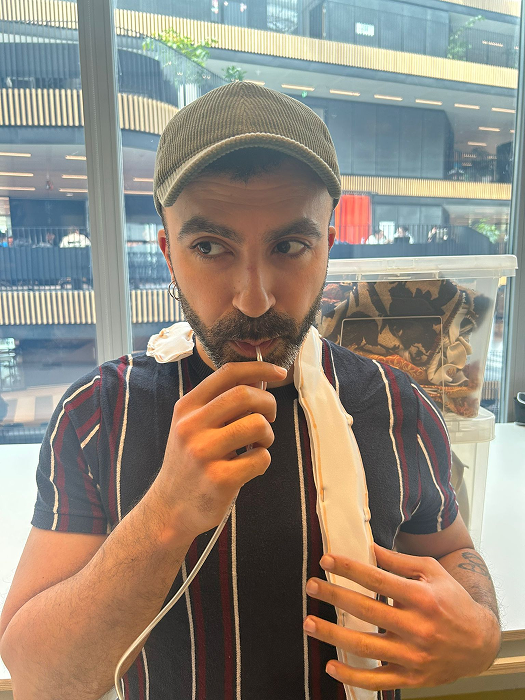
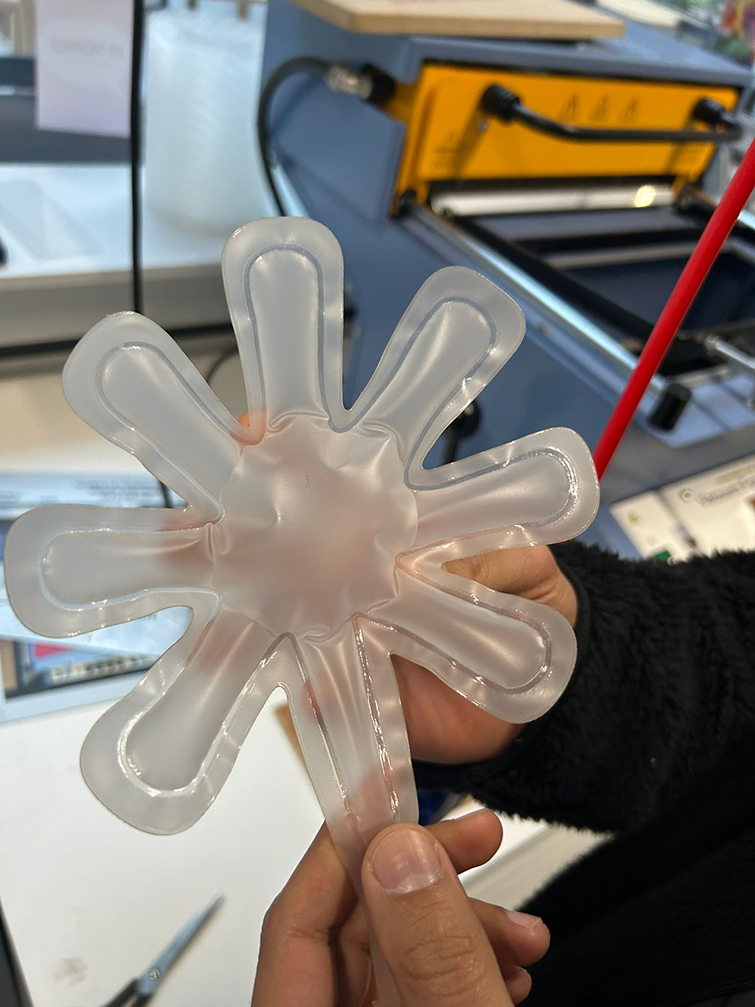
Sol01 is an experimental research tool that translates real-time UV intensity into breathing-like physical rhythms.
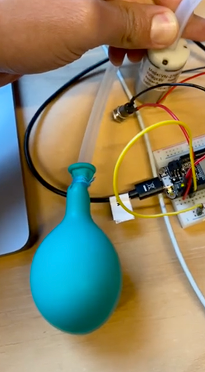
The system retrieves live UV data from Amsterdam and converts it into inflation and deflation cycles.
Higher UV creates more pulses.
Lower UV creates stillness.
Instead of displaying information, Sol01 expresses environmental change as bodily rhythm.
Two ways of experiencing energy
To explore how medium shapes perception, Sol01 exists in two forms.
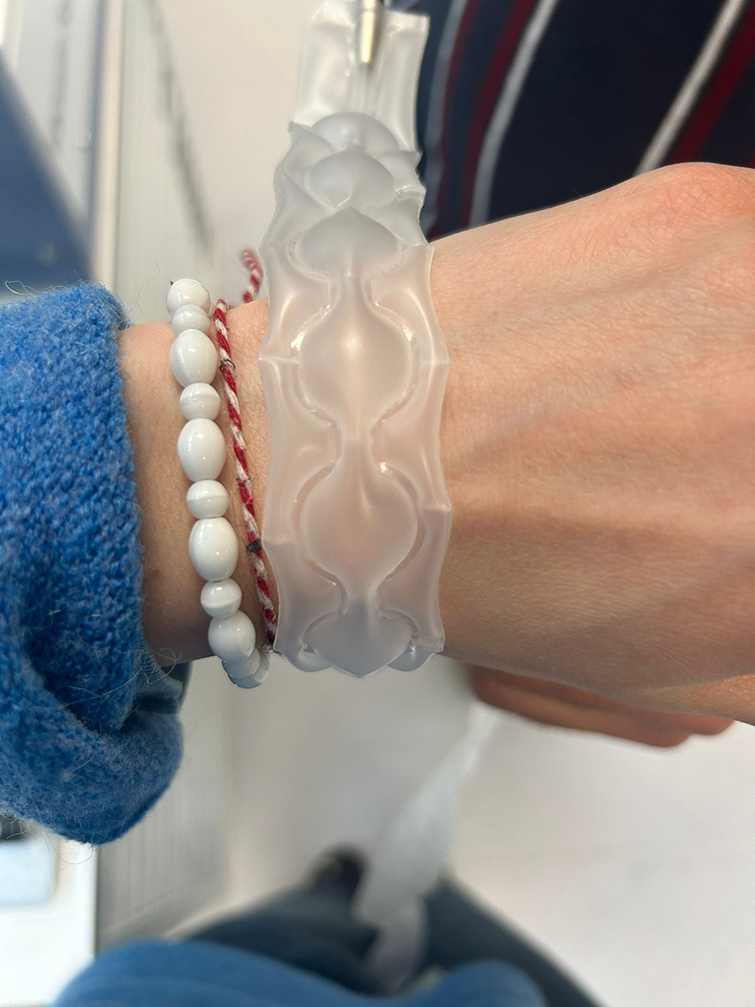
Wearable
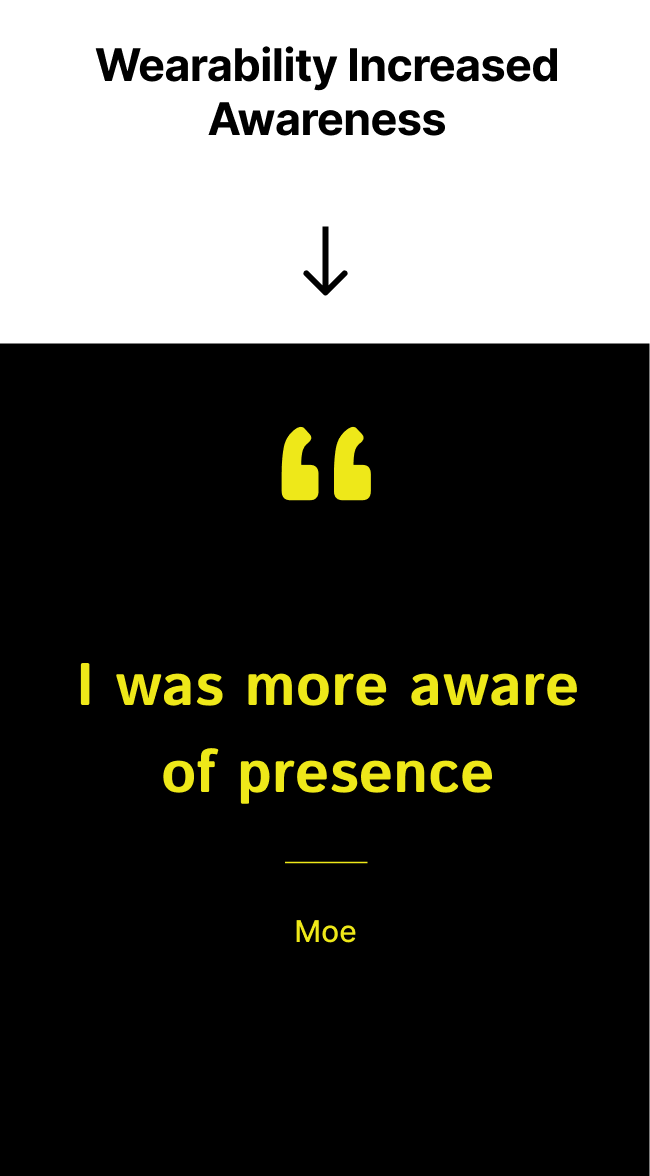
Energy is felt directly on the body.
Wearable
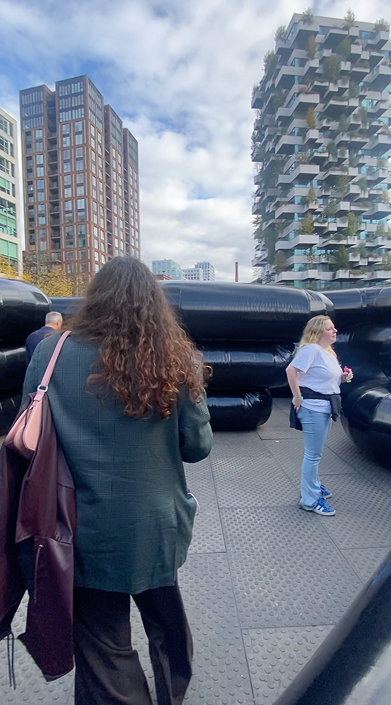
Energy is observed in space.
Together, these forms allowed me to explore:
How does it work
The system translates real-time UV intensity into physical pulses using inflatable structures. As UV levels rise, the system inflates and deflates in rhythmic cycles. Higher solar activity produces more pulses, while low or absent sunlight results in stillness.
Instead of explaining energy, Sol01 makes it present.
Living with Sol01
The project was deployed over two weeks in Amsterdam.
Week 1 focused on the wearable.
Week 2 focused on the ambient artwork.
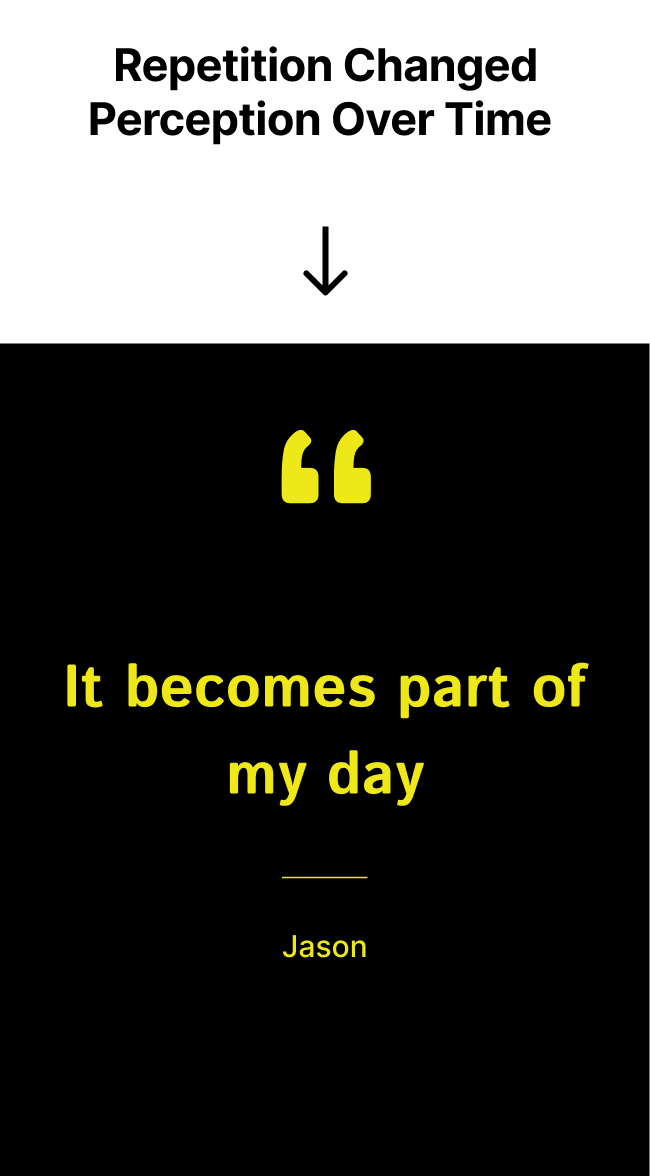
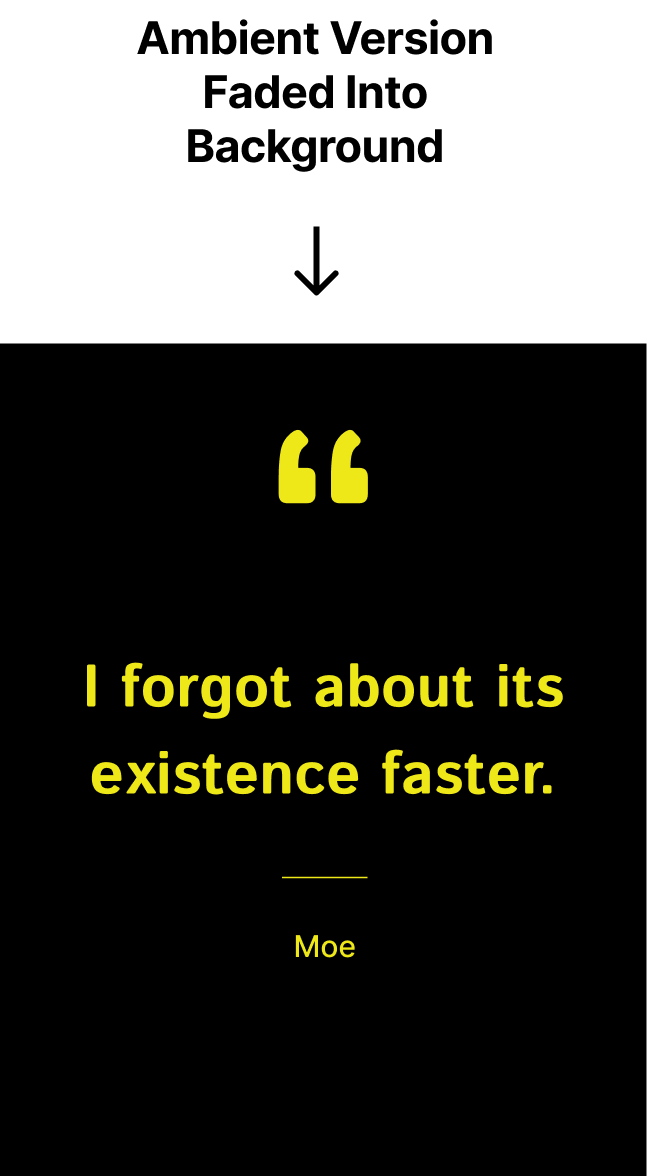
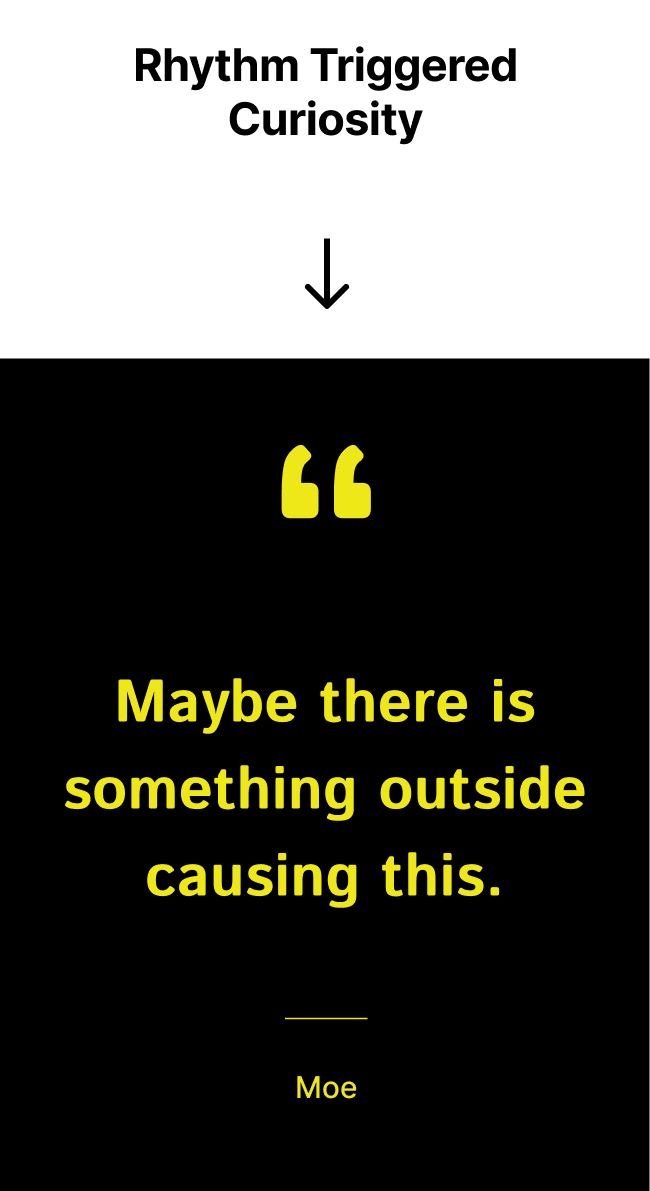
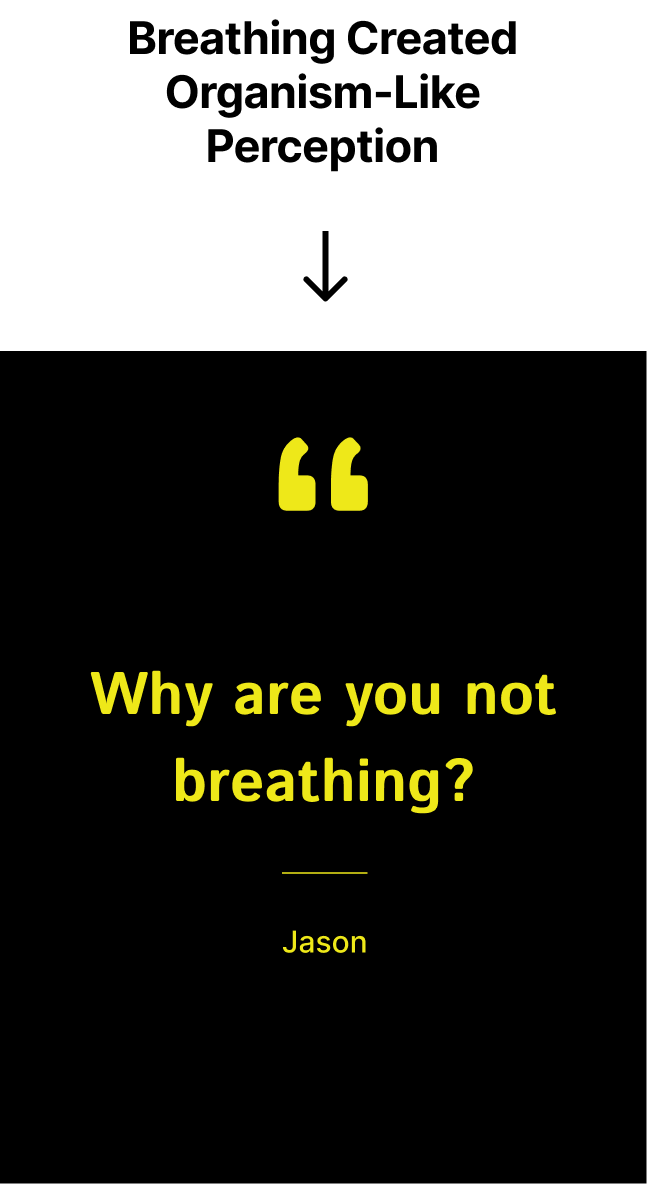
Participants documented their experiences, reflections, and emotional responses while living alongside the system.
The deployment shifted the project toward wearable interaction as the most effective medium for creating embodied awareness of solar energy.
What’s Next
Sol01 is not finished. It continues as an ongoing Research through Design investigation into embodied environmental awareness.
Future directions include:
Making the interaction more subtle, adaptive, and dynamic over time
Developing a more independent self-charging system
Exploring new ways of translating UV into breathing rhythms and pulses
Refining storytelling through material exploration, fabrics, shapes, and form language
At its core, Sol01 is an exploration of how the body can become a site for sensing and relating to energy. Rather than presenting renewable energy as information to understand, the project asks what happens when energy is felt, lived with, and experienced over time.
By using the body as a medium, Sol01 seeks to open up new relationships with renewable energy, encouraging people to see themselves as part of a broader ecosystem of humans, technologies, and non-humans. In doing so, it explores how embodied experiences might foster greater care, awareness, and participation in imagining shared energy futures. To be continued.